
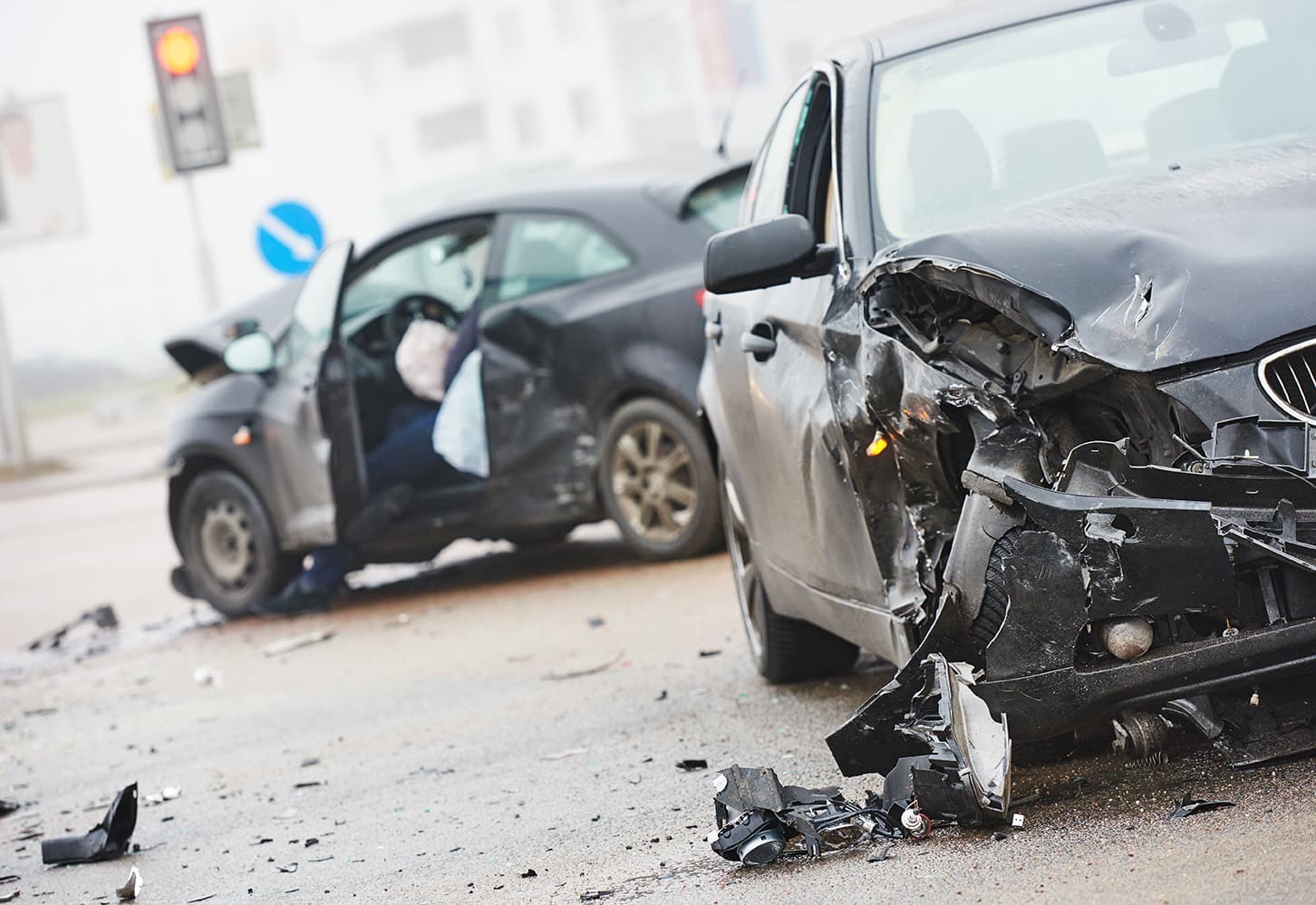
The pain transformed into civic struggle now has a name that will resonate in the Penal Code: Josep Boan. On Tuesday, March 24, the Congress of Deputies marked a turning point by opening the door to a necessary reform, one that we at Vosseler Abogados firmly support. The proposal to toughen penalties for speeding has passed, bringing us closer to ending impunity for traffic offenses on Spanish roads.
The struggle of Pilar Rosanes
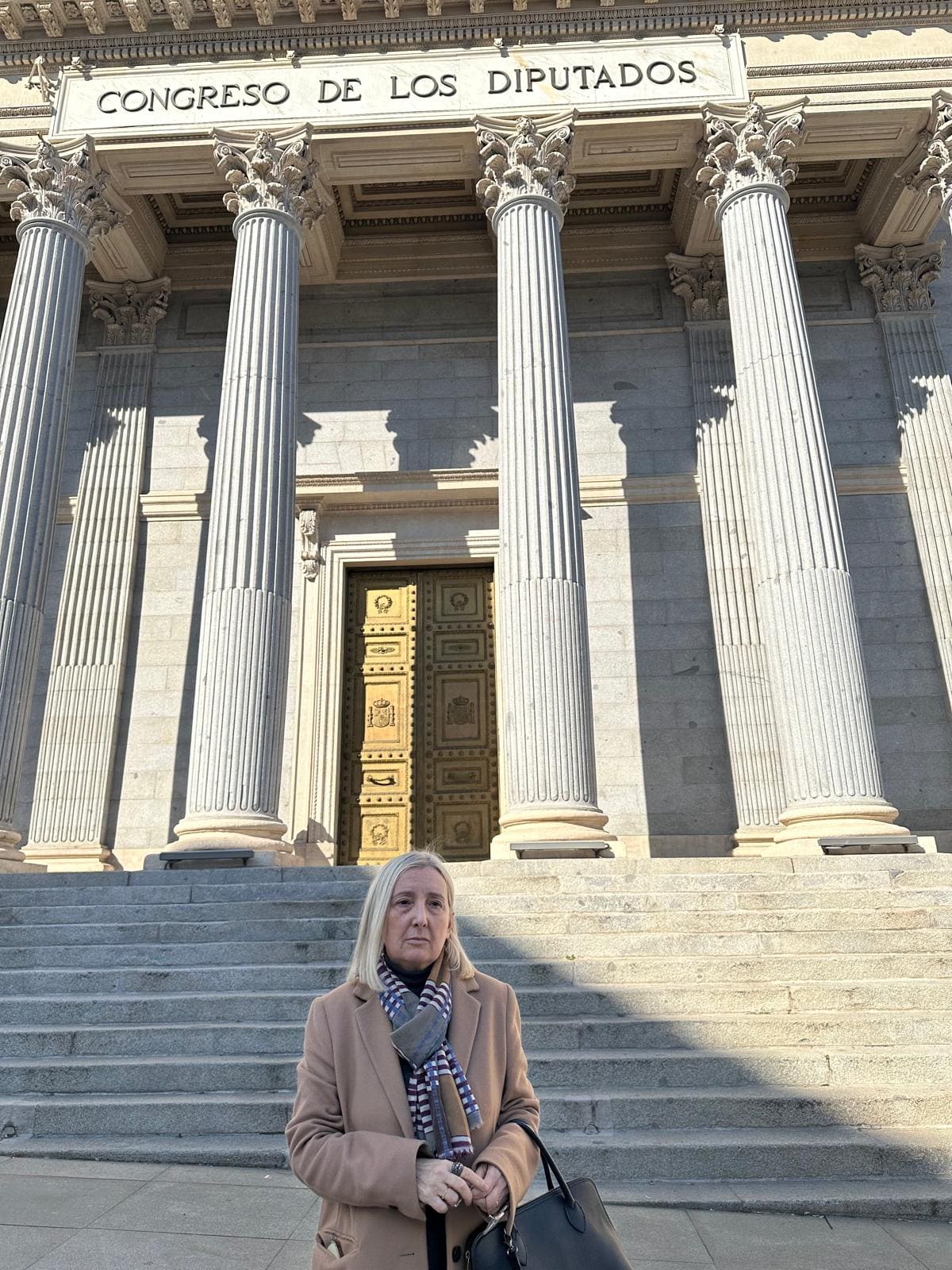
Pilar Rosanes
Pilar Rosanes wasn't seeking revenge; she was seeking justice for her 20-year-old son, Josep. In 2020, the young man's life was cut short on a curve in Dumbría (A Coruña) with a speed limit of 70 km/h, when a driver traveling at over 120 km/h crossed into his lane.
Despite the tragedy, the person responsible—sentenced to two years in prison for manslaughter—never served time because he had no prior record. This led Pilar to denounce the current legislation as turning Spain into a "paradise for traffic offenders." Today, that denunciation has materialized in the "Boan Law."
What changes with the reform?
The initiative, promoted by the PSOE, has passed its first parliamentary hurdle despite opposition from Vox and UPN, and abstention from the PP . The fundamental change lies in lowering the thresholds that separate an administrative sanction from a criminal offense.
| Type of road | Current threshold for it to be a crime | Reform Proposal (Boan Law) |
| Intercity Roads | Exceeding the limit by +80 km/h | Exceeding the limit by +70 km/h |
| Urban Roads | Exceeding the limit by +60 km/h | Exceeding the limit by +50 km/h |
What does this mean in practice?
Driving at 190 km/h on the motorway will no longer just result in a loss of points and money, but will become a crime with possible prison sentences.
Driving at 80 km/h in the center of any Spanish city will have immediate criminal consequences.
A halt to impunity
From our experience at Vosseler Abogados, we understand that the current Article 142 of the Penal Code was "humiliating" for victims. The reform seeks not only to punish, but also to prevent, through three fundamental pillars:
- real deterrent effect: That the driver understands that speeding is not a deductible expense, but a risk of jail.
- Effective penalties: To prevent killing while driving from being "free" simply because there is no prior record.
- Dignity for the victims: Eliminate the double victimization that comes from seeing how a very serious act of negligence results in a purely symbolic sentence.
"It's not anger or resentment, it's justice. The current law makes this country a paradise for traffic offenders," says Pilar Rosanes.
A step forward towards European standards
With this progress in addressing traffic offenses, Spain is moving closer to stricter legislation like that of France or Italy. Although for families like Josep's the road has been long and painful, this legislative change is a victory for civil society.
At Vosseler Abogados, we will continue to support these initiatives. Because this fight is for Josep, but also to ensure that the right to life and road safety prevail over reckless driving.
Have you been the victim of a traffic accident or do you need advice on the new regulations? At Vosseler Abogados, we specialize in defending the rights of victims and their families.
