
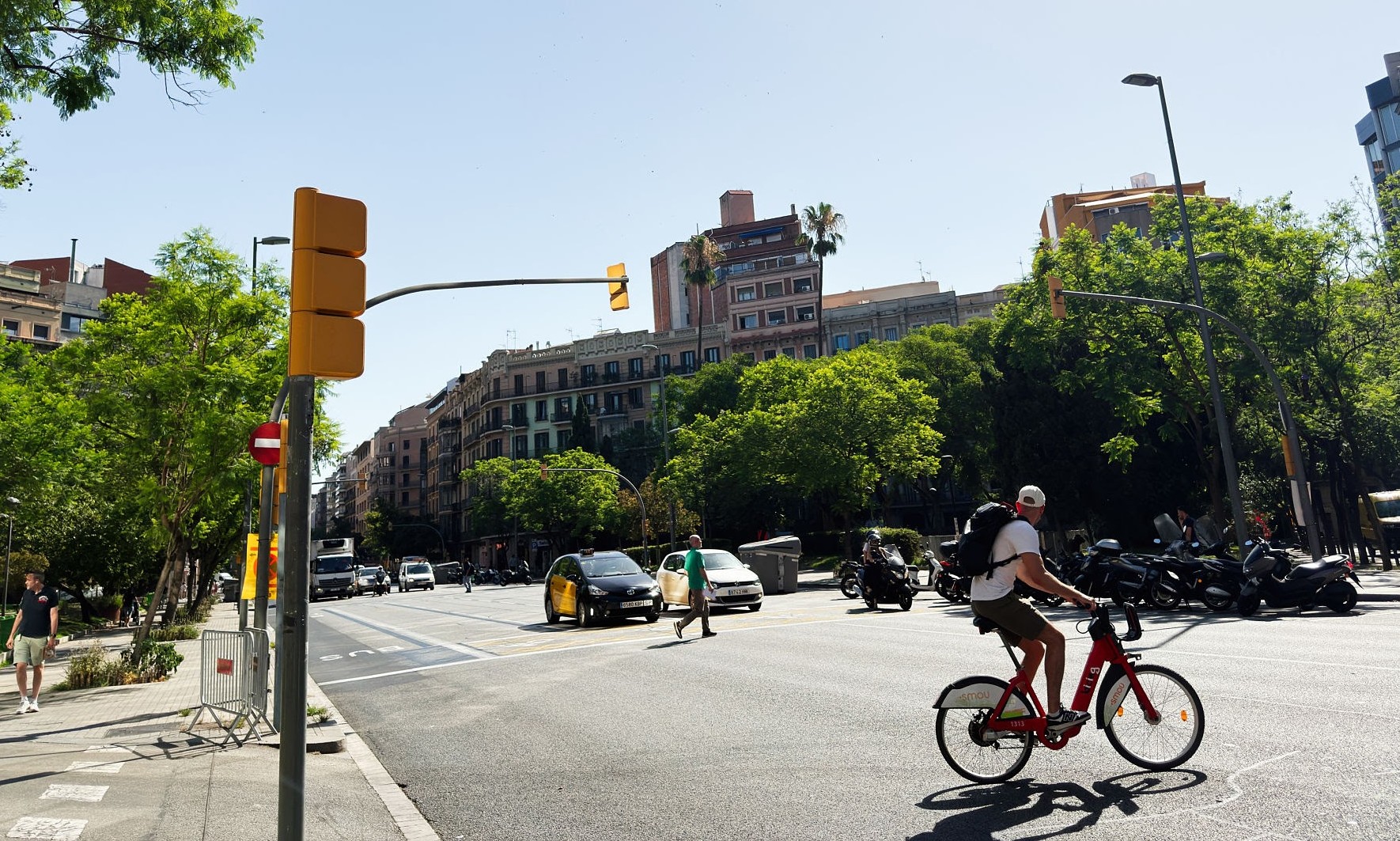
On October 1st, the latest major amendment to the General Traffic Regulations, approved by the Directorate General of Traffic (DGT), came into effect. This reform represents a paradigm shift in road safety, placing the main focus on protecting vulnerable road users. These include pedestrians, cyclists, users of Personal Mobility Vehicles (PMVs) , and motorcyclists.
As a firm specializing in traffic accidents, at Vosseler Abogados we analyze daily how regulations impact the determination of liability and the safety of our clients. Below, we clearly and precisely break down the new regulations.
Personal Mobility Vehicles (electric scooters)
The rise in popularity of electric scooters has forced the DGT (Spanish Directorate General of Traffic) to tighten the rules of the Traffic Regulations to guarantee their safe coexistence with other users:
- Minimum age: It focuses on 15 years in the Making the minimum legal age to be able to drive a VMP at the national level.
- Mandatory equipmentThe use of protective helmets becomes Mandatory for all users. In addition, the use of a reflective vest is required at night or in low visibility conditions.
- Professional use (Riders)Those who use a personal mobility vehicle (PMV) for their professional activity must wear a helmet and reflective vest at all times.
- Traffic routes: Outside urban areas, their circulation is authorized on segregated roads, such as bike lanes or cycle paths.
(Note: The obligation to wear the lights always on will come into force on 1th October 2027).
New products for cyclists
The protection of cyclists, both in the city and on the road, is one of the fundamental pillars of this reform:
- Overtaking on the roadThe rules are being tightened. To overtake a cyclist on interurban roads, the driver must leave a minimum lateral separation of 1,5 meters, reduce their speed by at least 20 km/h respecting the limit of the road and change lanes completely if there is more than one lane in each direction.
- Use of helmet: Exemptions are eliminated. Helmet use is mandatory. mandatory on intercity roads for all cyclists. Just like with VMPs, the RIDERS cyclists must use helmet and vest always.
- Urban traffic: Bicycles should preferably be ridden on the center of laneMotor vehicles traveling behind a cyclist must maintain a minimum distance of 5 meters.
Hit-and-run accident involving a cyclist: responsibilities and claims
Motorcycles and mopeds
The motorcyclist community is also experiencing significant changes in terms of equipment and traffic patterns in congestion situations:
- Driving on the shoulderIn situations of traffic congestion, motorcycles are allowed to travel on the right shoulder at a maximum speed of 30 km / h, provided that the section is previously signposted.
- EquipmentThe use of closed footwear on all types of roads. Furthermore, the use ofProtective gloves will be mandatory on intercity roads.
(Note: The obligation to use a approved helmet (not just certificate) will come into effect on 1th October 2027).
General rules for drivers
The DGT's updated Traffic Regulations don't just affect vulnerable road users. New rules are being introduced for all other traffic, focusing on safety and emergency situations.
- El Emergency Lane: When a traffic jam occurs and vehicles are stopped or moving at a walking pace, it is mandatory to pull over to the side to leave a central space free to allow passage for emergency and police vehicles.
- Overtaking immobilized vehiclesWhen passing a vehicle immobilized due to an accident, breakdown, or assistance call, a margin of 1,5 meters and reduce speed 20 km / h.
- Pedestrian crossingsAs a general rule, it is prohibited for traffic lights to coincide with the flashing amber light for vehicles while the light is green for pedestrians.* .
- Driving in snow: On motorways and highways, if there is snow, overtaking is prohibited, and you must drive only in the right lane, leaving the left lane free for snowplows and emergencies.
(*Note: Currently, Barcelona He is in a situation of limbo or legal friction: state regulations are already in place, but the volume of semaphores affected makes Immediate compliance is impossible by the local administration without causing a Chaos circulatory).
What does this mean in case of an accident?
Failure to comply with these new rules is classified as a serious offense (with fines of €200 ). However, from a legal standpoint, their significance extends far beyond the fine. In the event of a traffic accident, whether caused or not, disregard for these guidelines can be decisive in establishing the degree of fault or negligence of the parties involved when claiming compensation.
If you've been involved in a traffic accident, whether you're a pedestrian, cyclist, scooter rider, or driver, having expert legal advice is essential to protect your rights. At Vosseler Abogados, we are experts in claiming damages and injuries from traffic accidents.
